Solving a 50:1 asymmetric cost problem with end-to-end Machine Learning pipelines.
The Business Problem
I worked on a predictive maintenance problem for Scania heavy-duty trucks. The Air Pressure System (APS) is critical for braking and engine performance, and when it fails, it's expensive. However, the bigger challenge lies in correctly isolating the fault.
If maintenance teams incorrectly treat a non-APS fault as an APS fault, that costs the business money in unnecessary labor and parts. But if they miss a real APS failure, a truck breaks down on the road, costing 50 times more.
The Solution & Pipeline
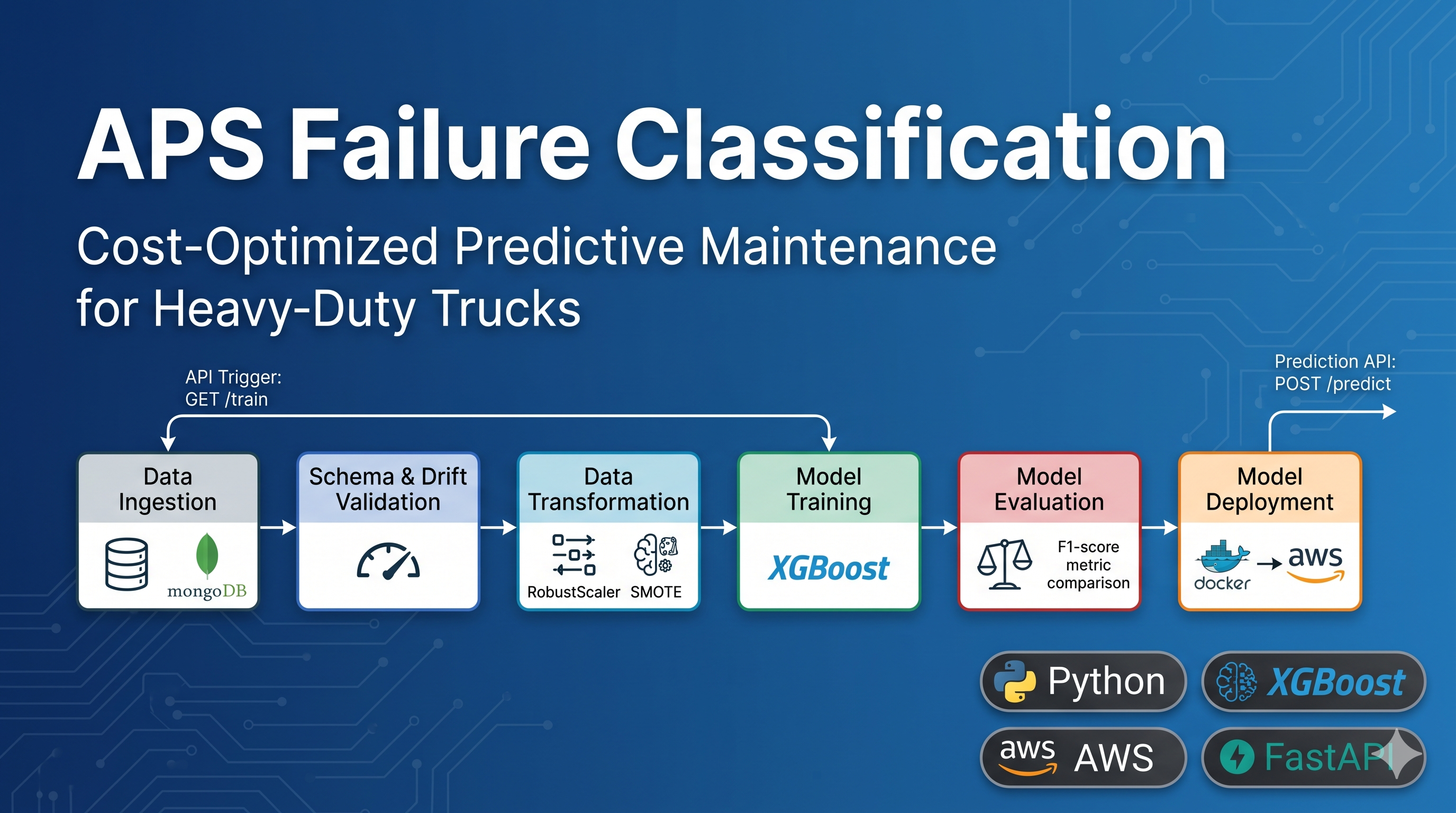
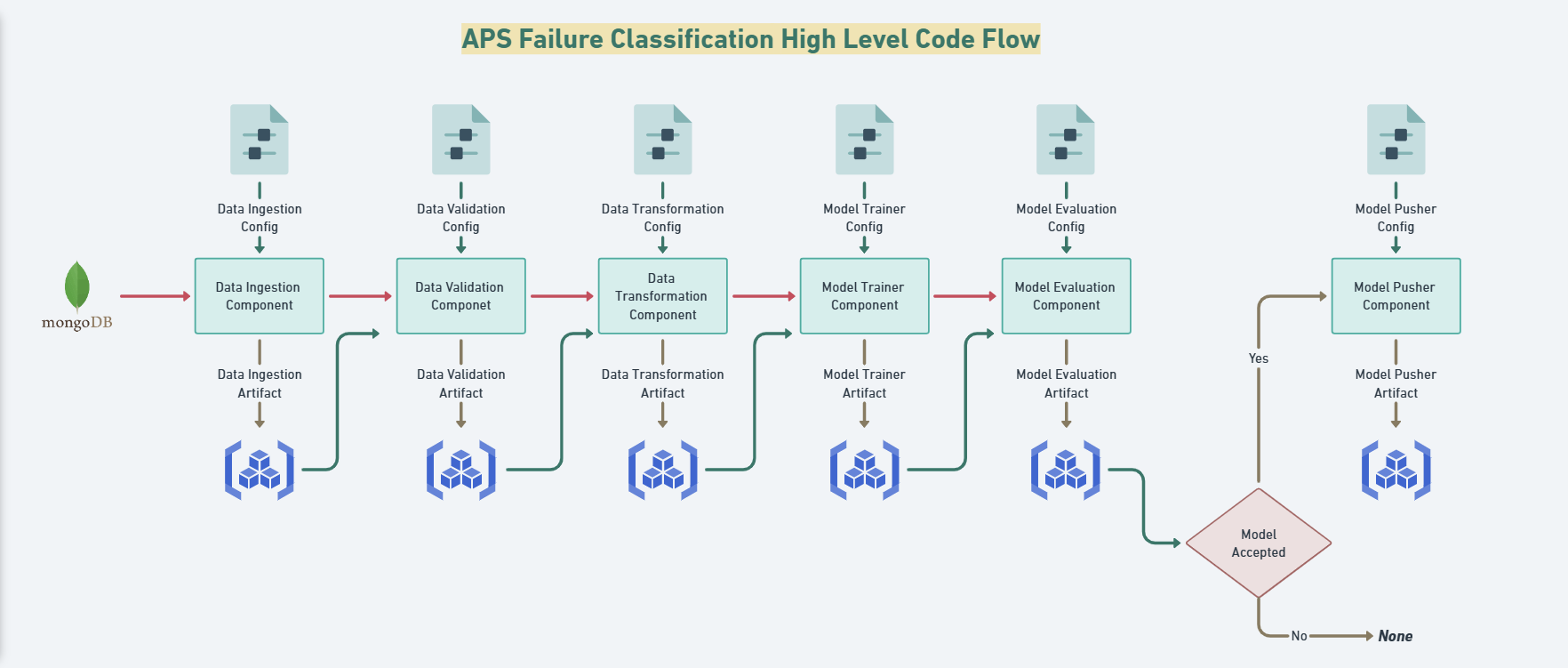
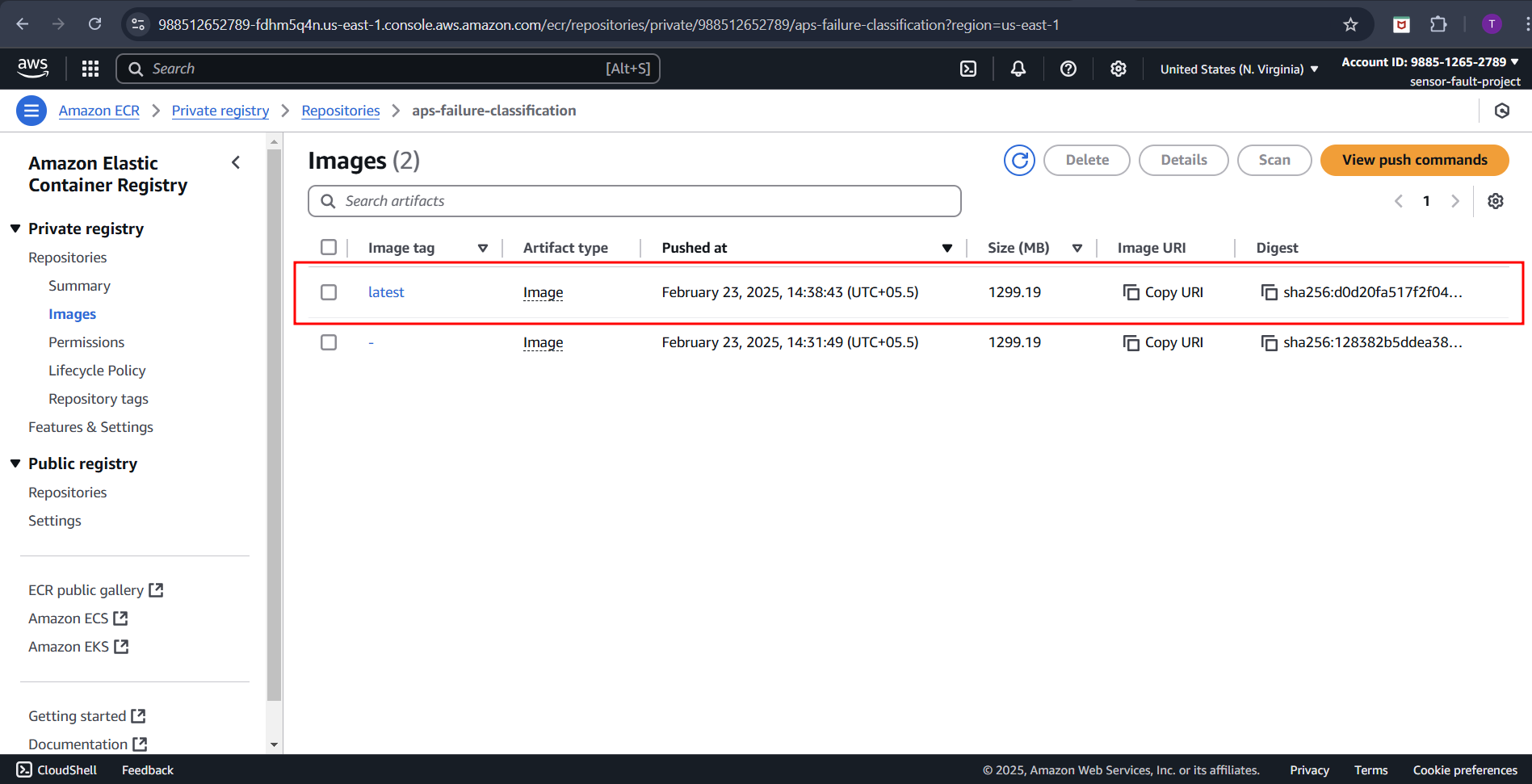
I built a full end-to-end ML pipeline, entirely automated and production-ready. The system acts on a 6-stage lifecycle:
- Data validation and schema checks
- Drift detection against baseline
- RobustScaler and SMOTETomek transformation
- XGBoost training
- Evaluation against the production model
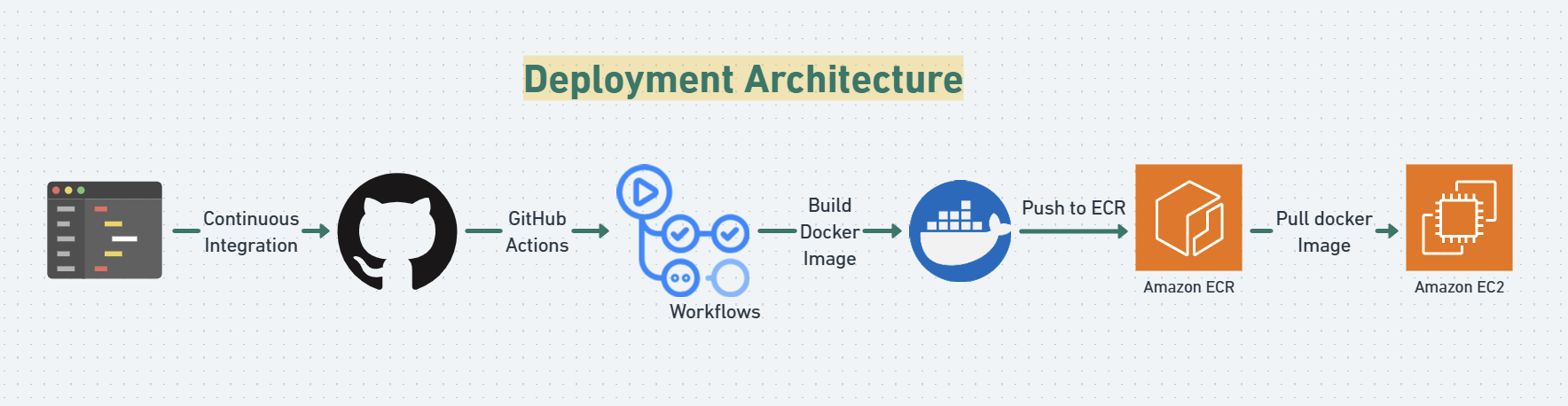
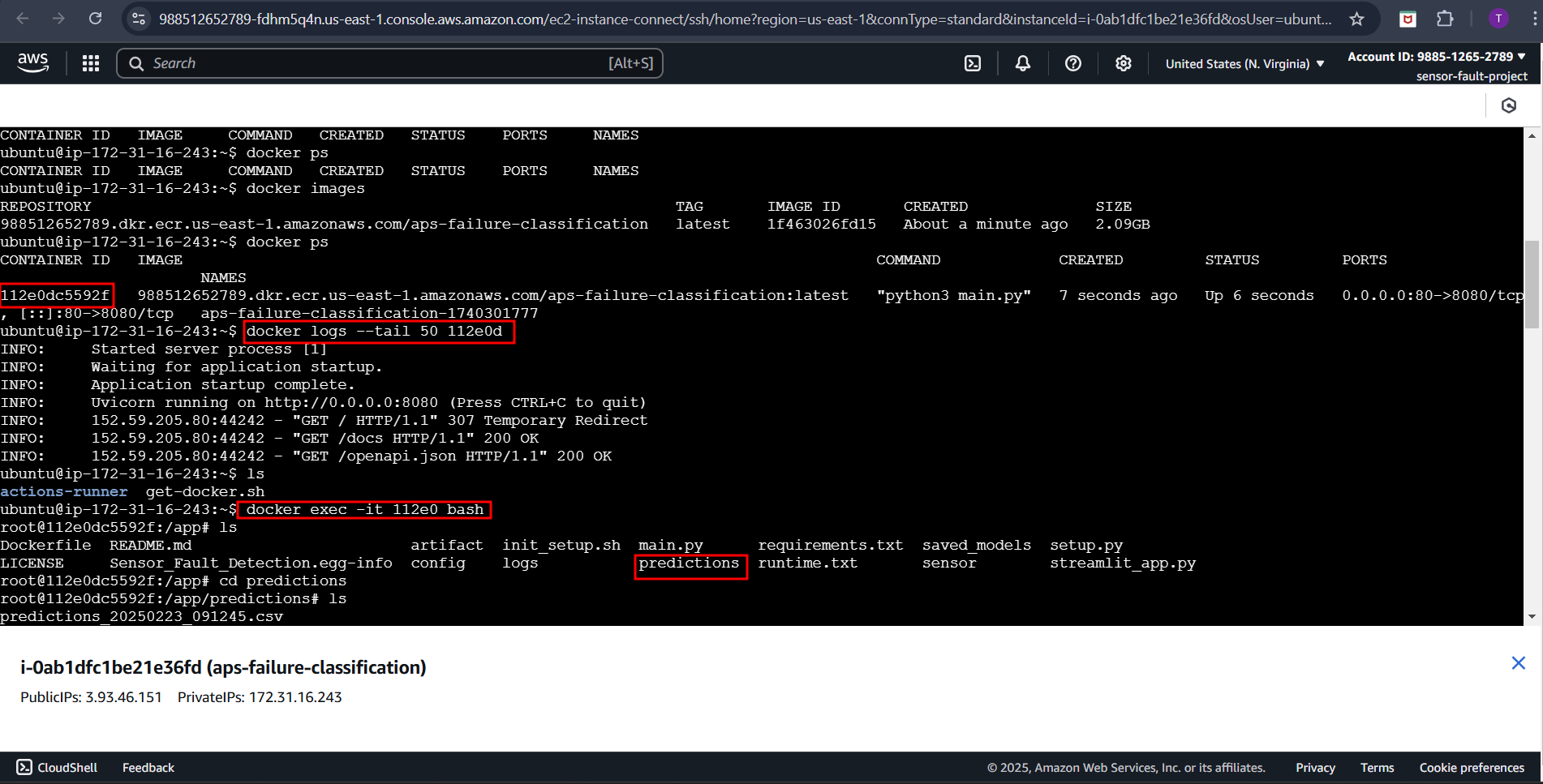
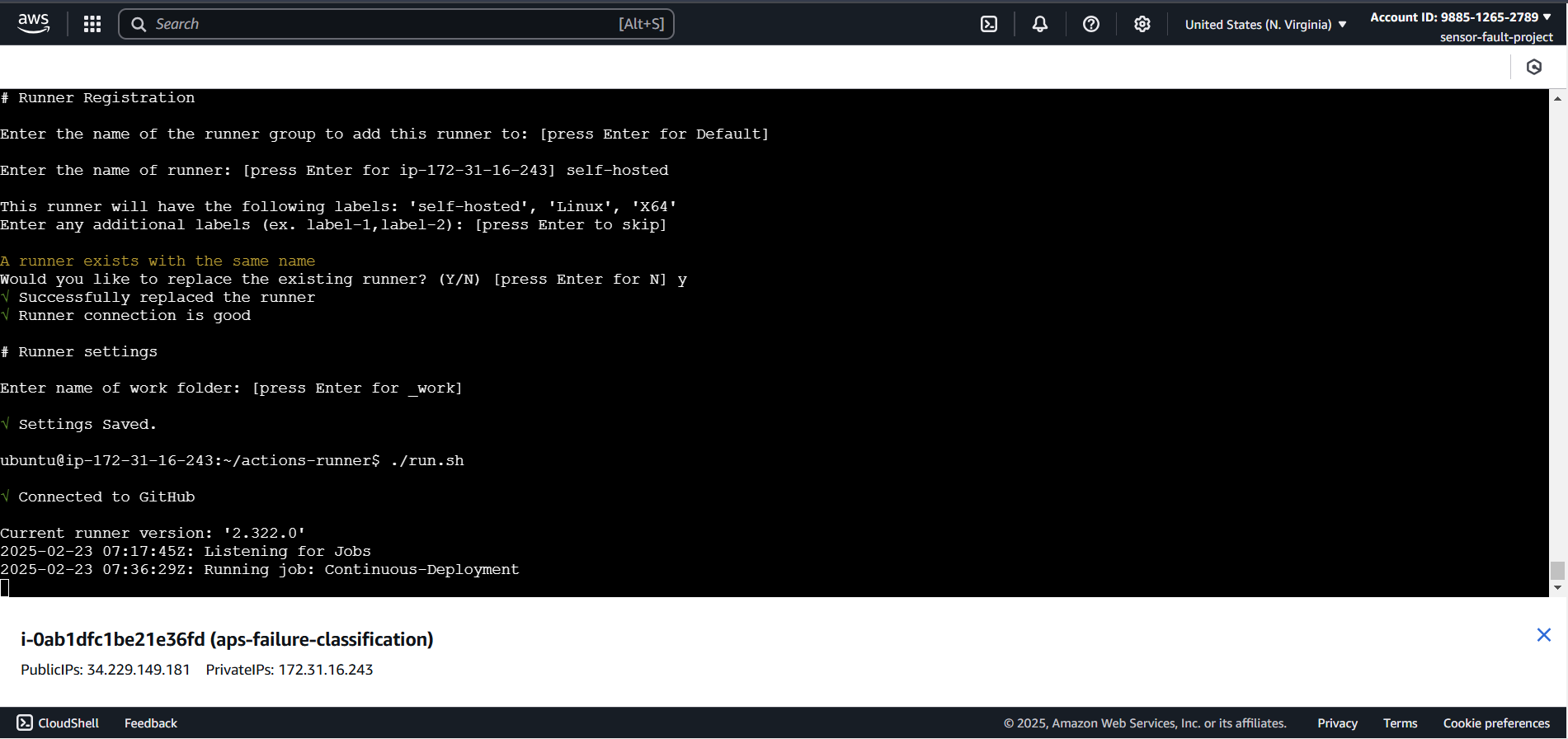
- Deployment
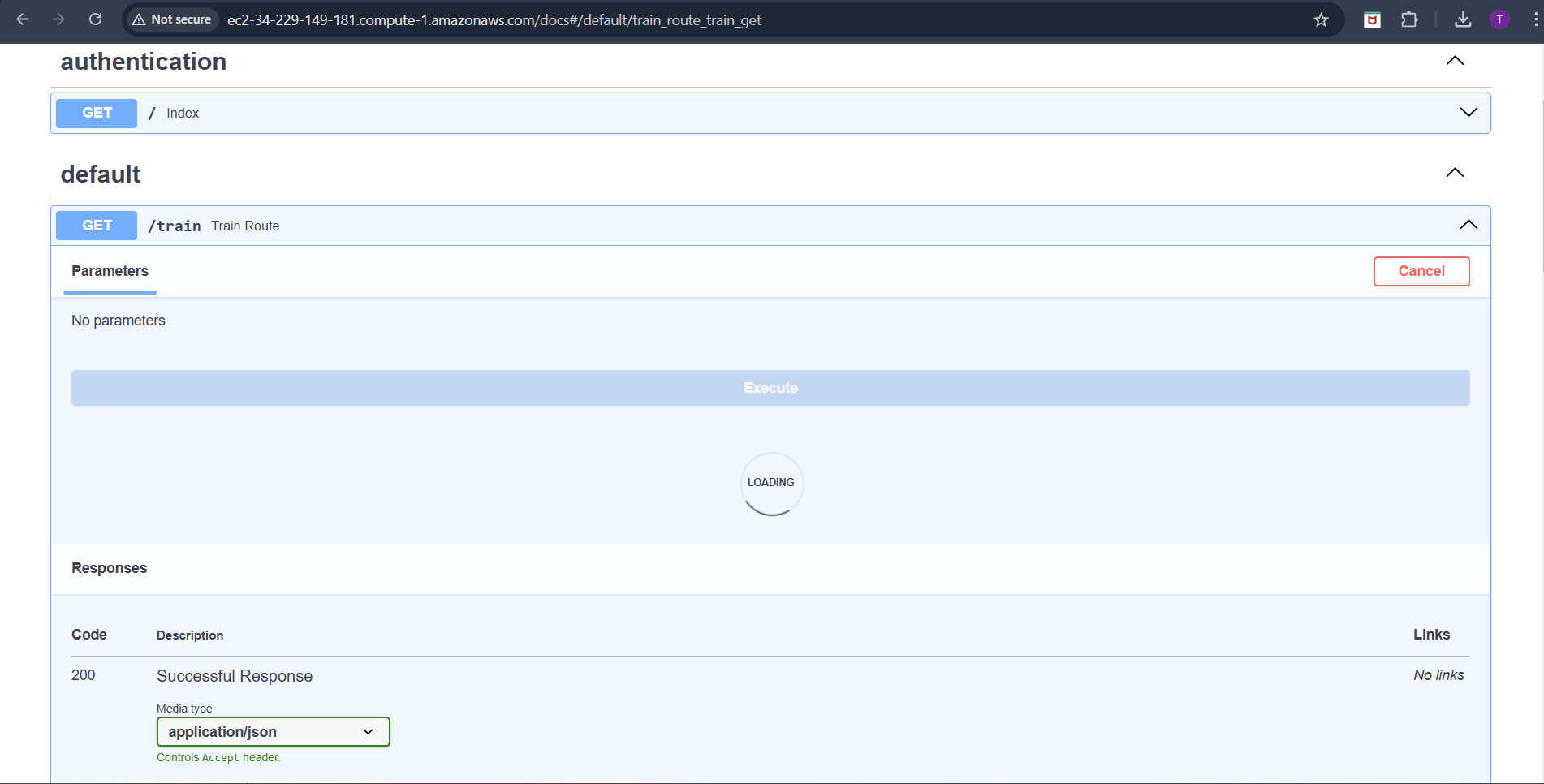
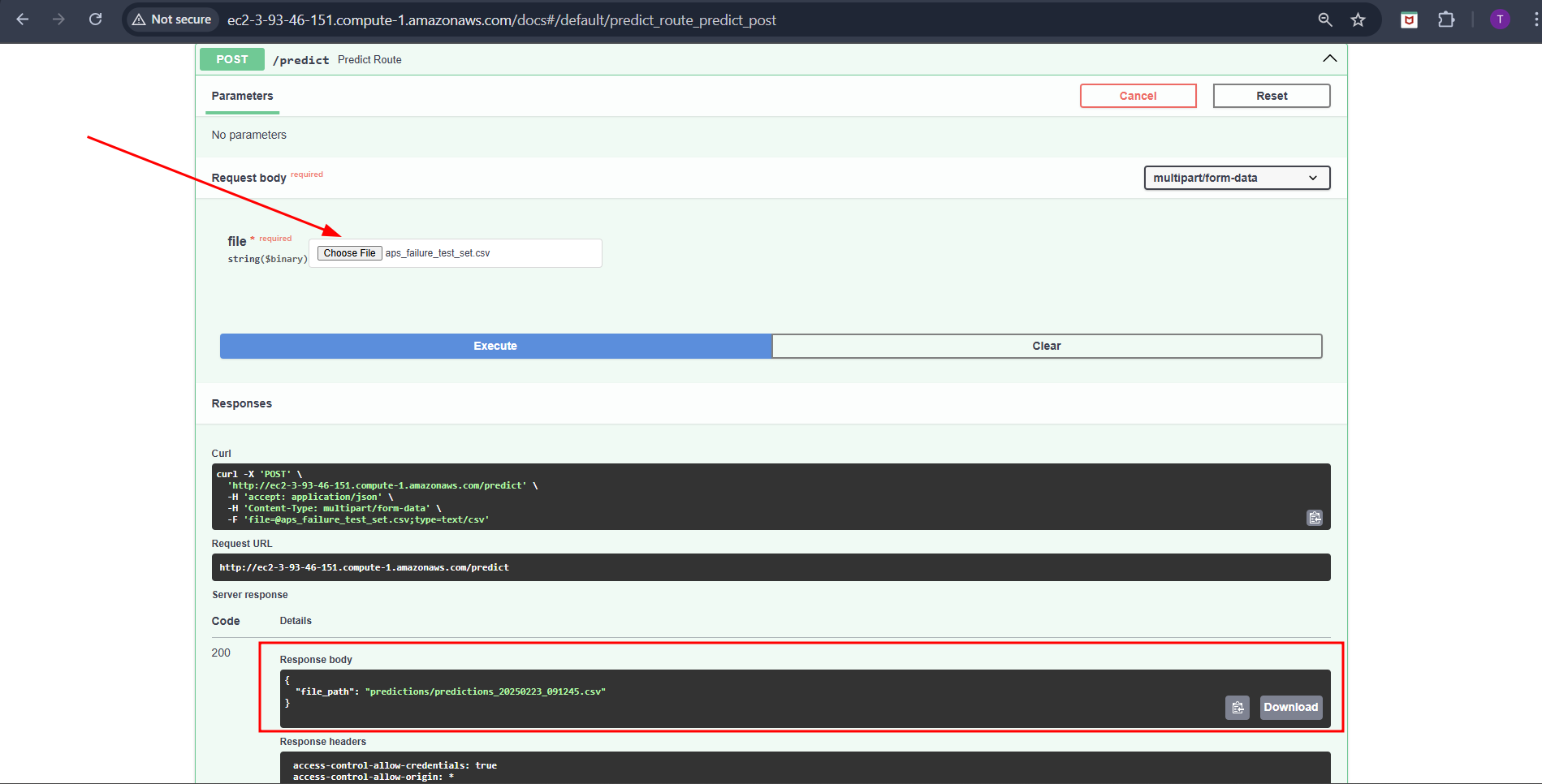
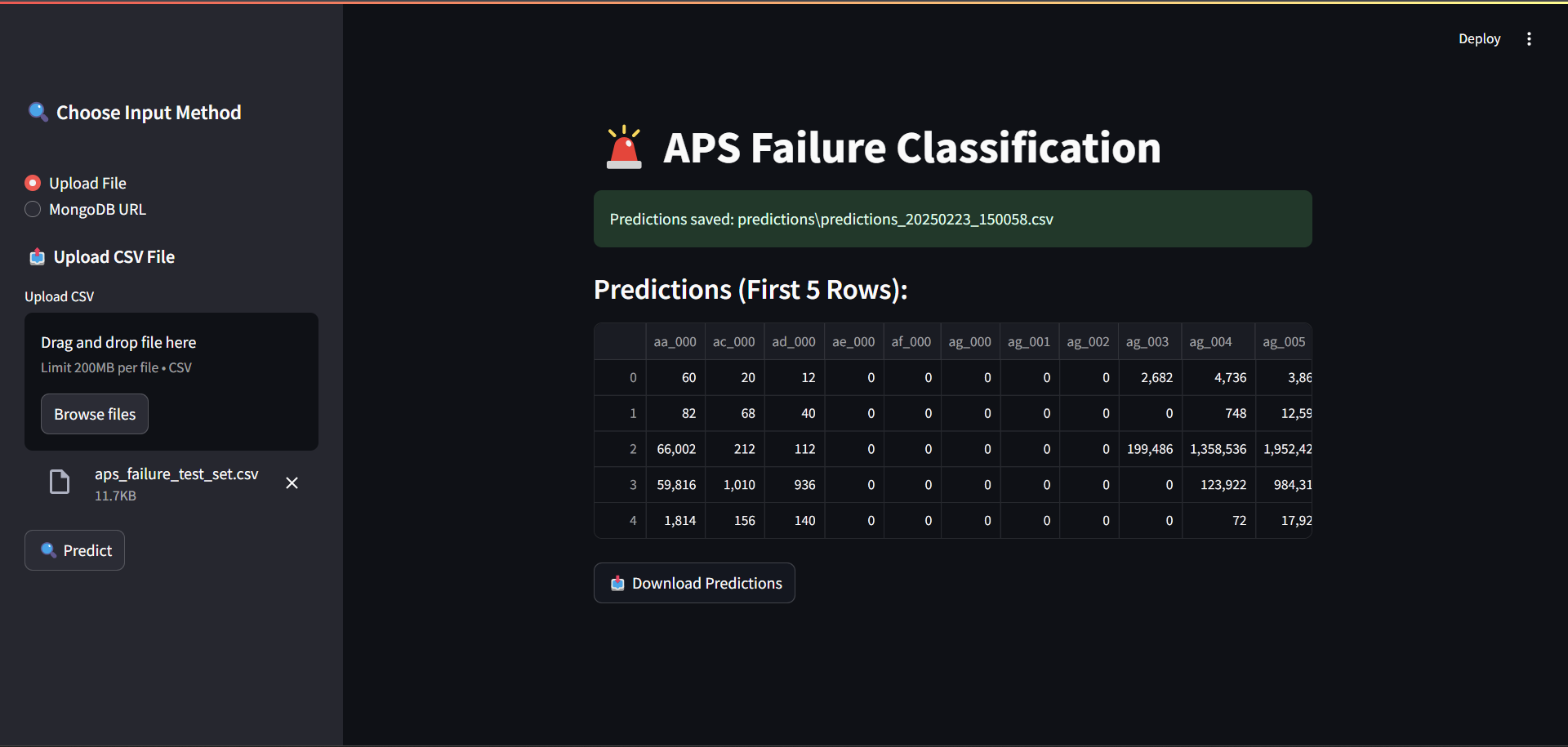
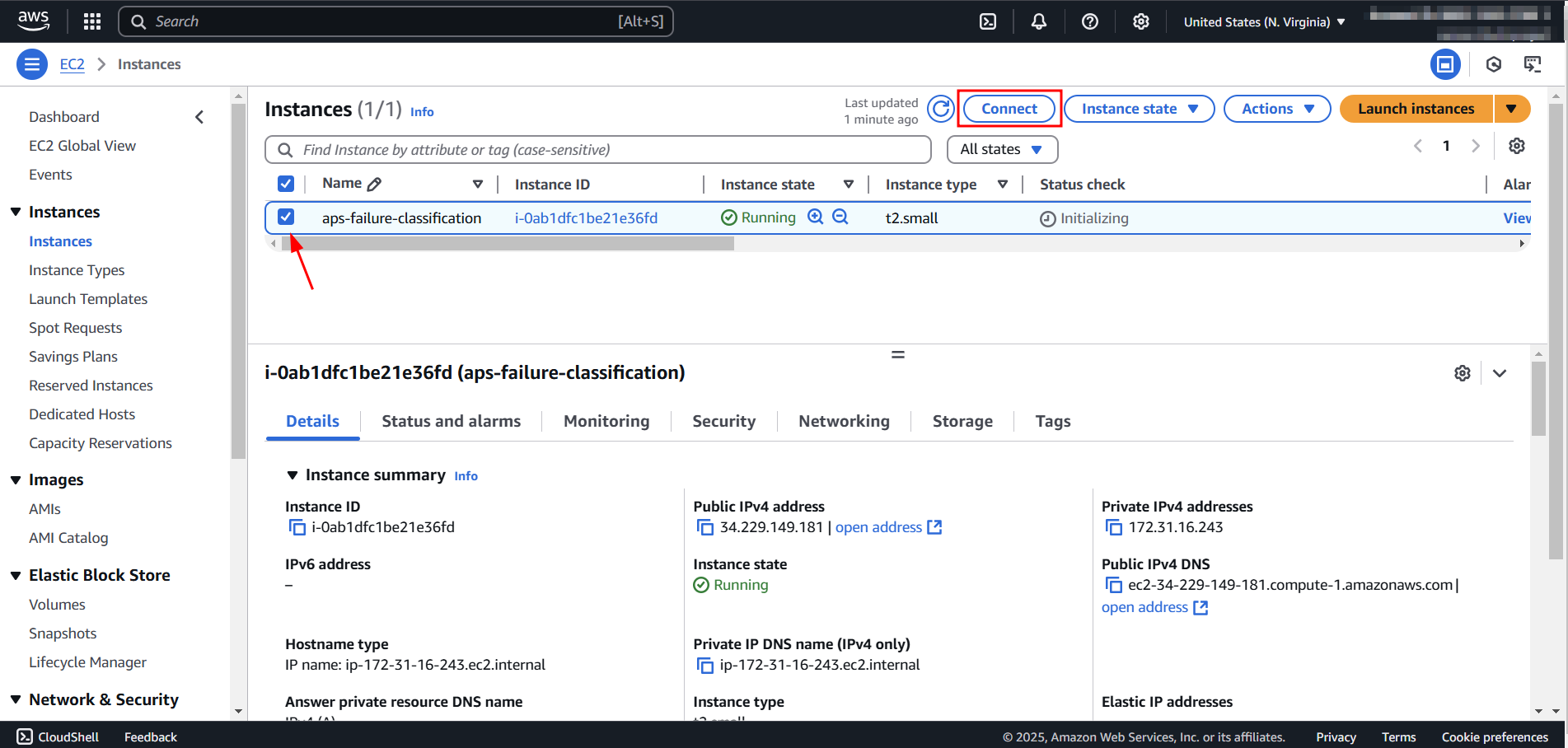
The pipeline is triggered via a dedicated FastAPI microservice interface. Hitting GET /train kicks off the entire retraining lifecycle, while POST /predict handles real-time inference on new sensor matrices.
Key Technical Decisions
Modeling: XGBoost
Chosen for its high efficacy on complex tabular sensor data, rapid training performance, and native feature importance extraction spanning all 171 sensor features.
Balancing: SMOTETomek
The dataset was 98.3% non-failures. I combined synthetic oversampling (SMOTE) with Tomek link cleaning to generate a highly refined and clean decision boundary.
Preprocessing
Given that raw sensor readings naturally exhibit massive outliers during machine degradation, I employed RobustScaler to safely normalize data unaffected by extreme values.
Serialization: Dill
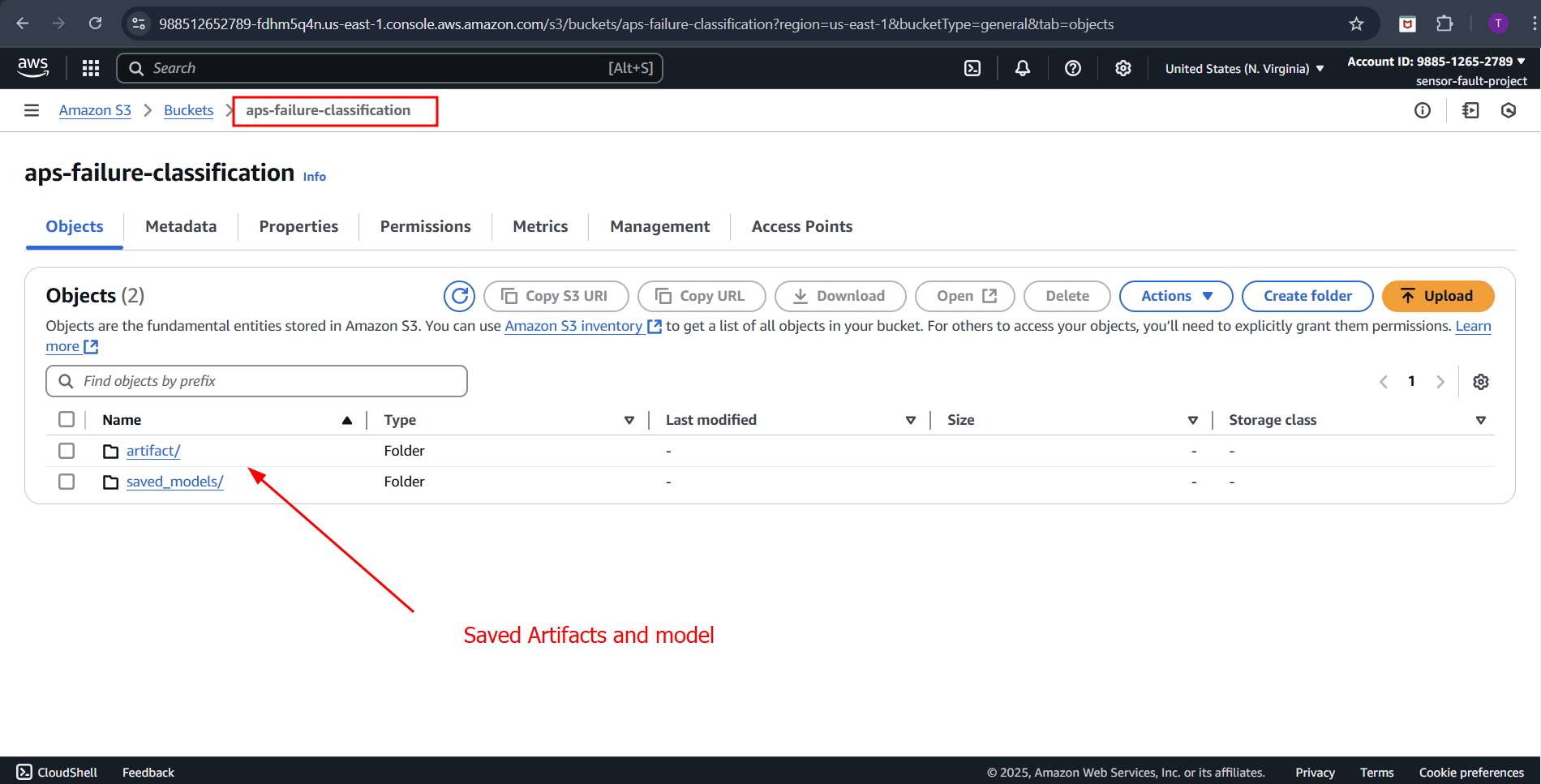
Both the trained model and preprocessor are wrapped in a unified SensorModel object and serialized via dill so production inference uses identically bounded transformations as training.
Deployment & Challenges
The hardest engineering challenge was the automated model evaluation logic. The system does not eagerly overwrite existing production models. Instead, before deployment, it asserts that the new model improves the weighted F1-score by at least 2% over the currently live model.
I strictly guarded model rot: Before any pipeline execution, KS-test (Kolmogorov-Smirnov) based drift detection runs parallel checks across all 171 features to ensure feature distribution hasn't significantly shifted.
Architecture and results gallery
Explore the analysis
Results
The existing portfolio reports 90% accuracy, approximately 25% fewer false predictions, and 25% faster diagnosis over a three-month project. These figures are carried over from the original write-up; evaluation data and methodology should accompany future updates.
Conclusion
The project connects sensor classification with validation, deployment, and monitoring. Its central design consideration is the higher business cost of a missed APS failure.
← Back to all projects